
Fistula Treatment
- Home
- Fistula Treatment
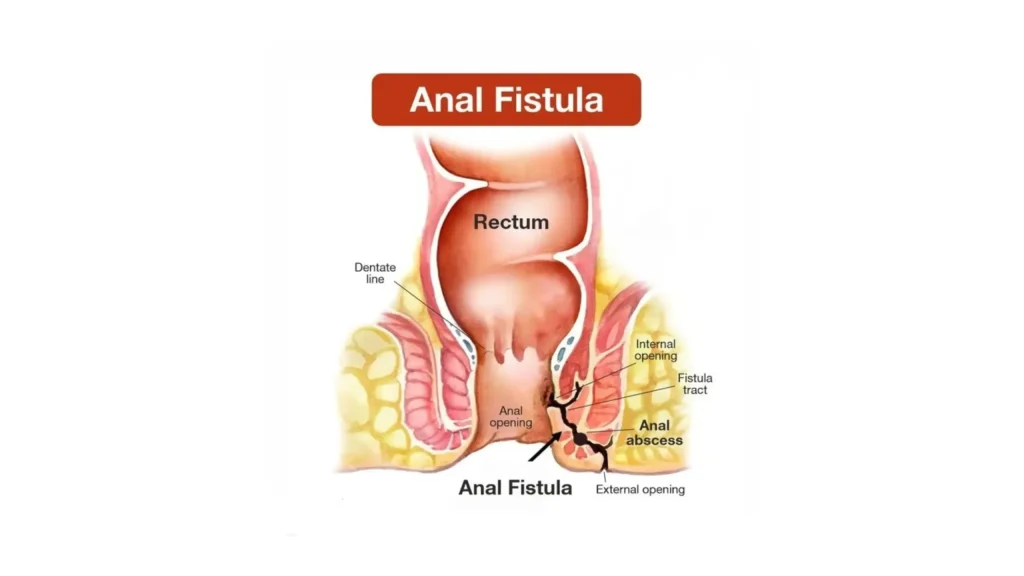
What Is an Anal Fistula?
An anal fistula is an abnormal tunnel-like tract that develops between the anal canal and the skin near the anus. It usually forms as a result of a previous infection or abscess and may cause persistent discharge, pain, or repeated swelling.
Common Symptoms
•Recurrent pus or fluid discharge
•Pain or discomfort around the anus
•Swelling or redness
•Skin irritation or itching
•History of repeated abscess formation
Careful Evaluation & Diagnosis
Every fistula case is carefully evaluated through clinical examination and, where required, appropriate investigations. Identifying the fistula tract correctly is essential for safe and effective treatment planning.
Treatment Approach at AnoSolve
Treatment is planned based on the type, depth, and complexity of the fistula. Whenever possible, non-surgical and conservative methods are preferred.
Management may include:
•Infection control and medical management
•Regular local care and dressing
•Monitoring of tract healing
•Lifestyle and bowel habit guidance
In selected cases, minor or controlled procedures may be advised to ensure proper healing while minimizing tissue damage.
Focus on Safe Healing
The primary goal is to control infection, promote natural healing, and reduce the risk of recurrence. Each patient receives individualized care rather than a one-size-fits-all approach.
Recovery & Ongoing Care
Healing in fistula cases requires patience and follow-up. Regular monitoring helps track progress and allows timely adjustments to treatment if needed.
When Intervention Becomes Necessary
Some complex or long-standing fistulas may require procedural intervention. In such situations, treatment options are explained clearly, and the safest method is chosen based on medical necessity and patient comfort.
Post-Treatment Guidance
Patients are supported with:
•Hygiene and wound-care instructions
•Diet and bowel regulation advice
•Follow-up scheduling
•Preventive guidance to reduce recurrence risk